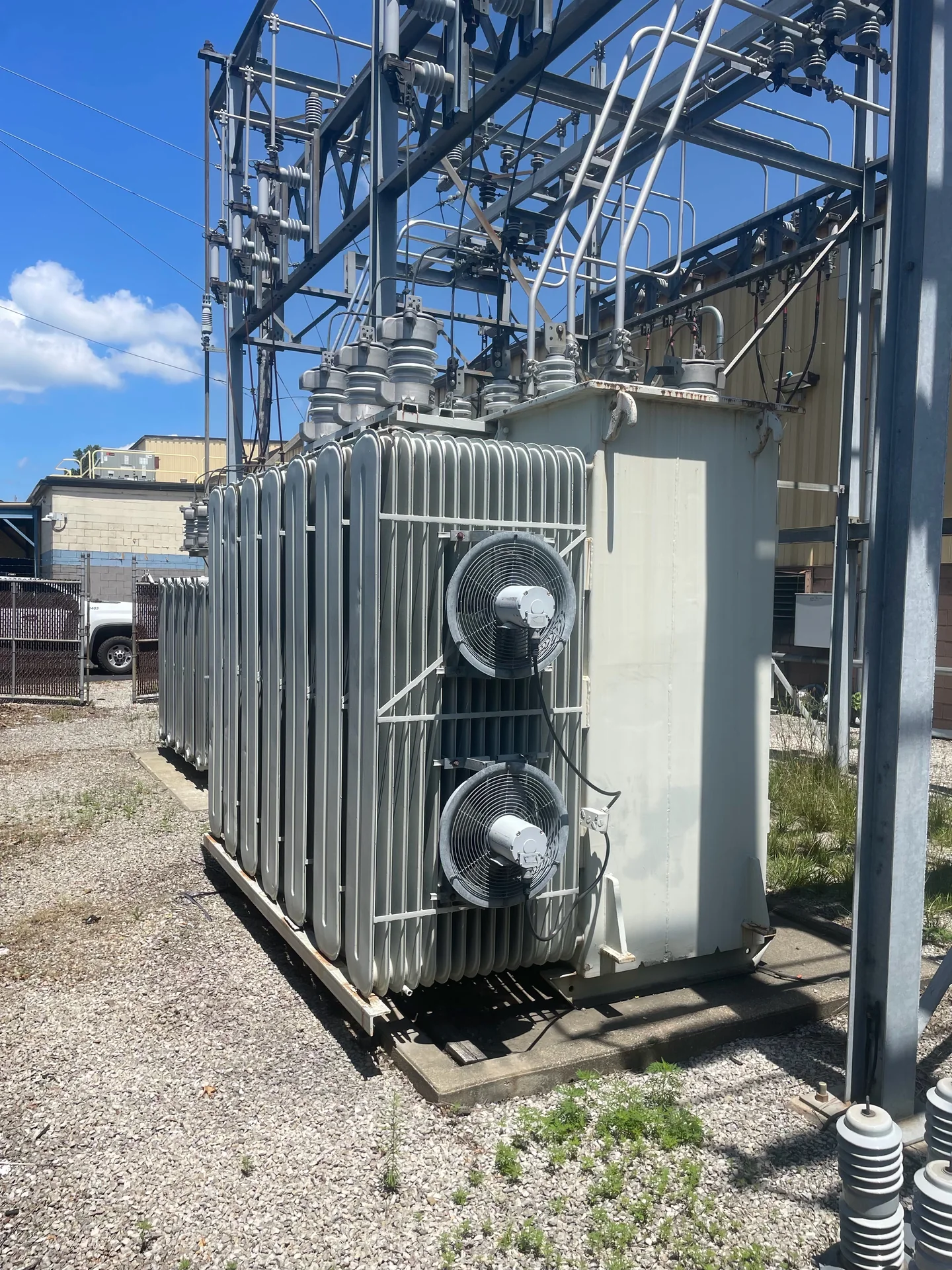
How to Sell Electrical Transformers in San Francisco — Planning Guide
This guide helps electrical contractors, facility managers, utilities, manufacturers, demolition teams, and equipment resellers plan a transformer sale in the San Francisco metro. It focuses on documenting the unit, identifying site-access constraints specific to dense urban and coastal locations, preparing for rigging and loading conversations, comparing sale channels, and coordinating a transaction with a nationwide buyer. Availability and any purchase offer depend on the actual unit, project details, condition, and current buyer demand. For energization, disconnection, testing, rigging, fluid handling, and transport, hire qualified professionals and follow applicable regulations.
Evaluation starts with facts
Share the manufacturer, rating, voltage, phase, condition, quantity, and location before discussing value or pickup.
1. Document the transformer thoroughly
Before contacting potential buyers, collect clear, verifiable information. Nameplate data is the primary determinant of compatibility and value: record manufacturer, model, serial number, kVA/MVA rating, primary and secondary voltages, phase, frequency, and design type (e.g., padmount, pole, substation). Note age, documented condition, recent test or service records (DGA, insulation resistance, turns ratio, recent maintenance), and any visible damage or corrosion. Photographs of nameplates, cooling fins, bushings, tank bottoms, and serial tags speed appraisal and reduce site visits.
bullets
- Photograph nameplates and serial numbers in good light
- List kVA/MVA, voltages, phase, and frequency exactly as shown
- Record manufacturer, model, year, and any test/service dates
- Note fluid type (if applicable) and any leak history
- Count units and note whether units are co-located or staged separately
2. Confirm ownership, quantity, and regulatory constraints
Establish who has authority to sell each unit and confirm quantity and clear title. For municipal, utility, or leased equipment, verify internal approvals and any decommissioning procedures. Identify environmental constraints tied to transformer fluids or PCB history; buyers will need that information before making offers. In San Francisco’s dense urban and coastal environment, local permits, protected curbside rules, or waste-handling requirements can affect removal planning. Be transparent about any liens, holdbacks, or disposal obligations.
bullets
- Verify legal ownership and authorization to sell
- Check for environmental records or PCB history
- Identify any permits or municipal restrictions for removal
- Confirm quantity and whether units can be moved together
3. Assess site access and staging in a dense urban, coastal setting
Site access is often the single biggest logistical constraint in San Francisco. Note curb widths, on-street parking restrictions, overhead utilities, bridge weight limits, gate clearances, and whether the unit sits inside a fenced substation, on a rooftop, or below-grade. Coastal locations may show accelerated corrosion that affects condition ratings but do not substitute for proper inspection. Measure clearances, capture photos or a short video of approach routes, and flag any restricted hours or loading zones the buyer or riggers must consider.
bullets
- Measure gate and driveway clearances and upload route photos
- Check for overhead lines, tight turns, and weight-restricted streets
- Confirm available staging or laydown areas near the unit
- Note any building access (roof or basement) or elevator constraints
4. Prepare for rigging and loading conversations
When you talk to rigging contractors or a buyer’s logistics team, provide weight, lift points, physical dimensions, and mounting details. If the unit is padmounted, pole-mounted, or in a fenced substation, that changes equipment needs. Rather than issuing rigging instructions, give factual data: is the tank intact, are lifting lugs present, has the unit been de-energized and isolated by qualified personnel, and is there an internal containment pit or oil sump. Qualified riggers and electrical technicians must perform disconnection, lift planning, and fluid handling under applicable codes.
bullets
- Provide gross weight, length, width, and height
- Photograph or note lifting lugs, baseplates, and hardware
- Confirm whether the unit has been de-energized by a qualified person
- Ask riggers about crane placement, traffic control, and staging needs
5. Compare direct sale, auction, broker, and recycler options
Decide whether to pursue a direct sale to a nationwide buyer, list through an auction, use a broker, or send units for scrap/recycling. Direct buyers often seek specific specs (nameplate match, test records, particular kVA ranges) and may arrange freight and inspection; that can reduce handling steps but offers vary with demand. Auctions can expose equipment to many buyers and are useful when market value is uncertain. Brokers help find end-users but charge fees. Recycling or scrap is appropriate when condition, age, contamination, or logistics preclude resale. Not every transformer will receive a purchase offer; evaluate alternatives honestly.
bullets
- Direct sale: potentially fewer steps if specs match buyer demand
- Auction: wider exposure but variable final price and fees
- Broker: targeted marketing for fee; useful for unusual units
- Recycler/scrap: option when resale value is low or unit is contaminated
6. Coordinate the transaction and set realistic timelines
Coordinate paperwork, inspection windows, freight, and payment expectations before scheduling a lift. Nationwide buyers typically request inspection photos, may schedule an on-site assessment, and will confirm freight logistics and insurance. Provide realistic timelines for internal approvals, de-energization, permit acquisition, and contractor availability. Be prepared to share contact information for the site manager and any contractors who will perform disconnection or lifting. Remember that buyer interest fluctuates with market demand, so offers and pickup schedules depend on the specific unit, site, and timing.
bullets
- Agree on inspection scope and documentation needed for an offer
- Clarify who arranges and pays for freight, permits, and rigging
- Set a tentative pickup window and contingency dates
- Confirm payment terms and any required proof of removal or disposal
7. Final checklist before outreach
Before contacting buyers or listing equipment, assemble a packet: clear photos of nameplates and unit, an equipment spec sheet, test and service records, ownership documentation, site access photos or plans, and a summary of any constraints or environmental history. Having this information ready shortens appraisal time and improves accuracy of offers. If an immediate sale is not possible, document options for auction or recycling and line up qualified contractors for disconnection and rigging so you can move quickly when buyer interest aligns with your timeline.
bullets
- Nameplate photos, specs, and serial numbers
- Recent test/service reports and maintenance history
- Ownership proof and approval to sell
- Site access photos and clear route measurements
- Contact info for site manager and preferred contractors
Service-area context
Planning a sale in California
This city guide is part of the broader California service-area directory. Review statewide pickup and documentation considerations before arranging an equipment review.
Explore the California transformer guideCommon questions
Practical answers before you call
One clear next step