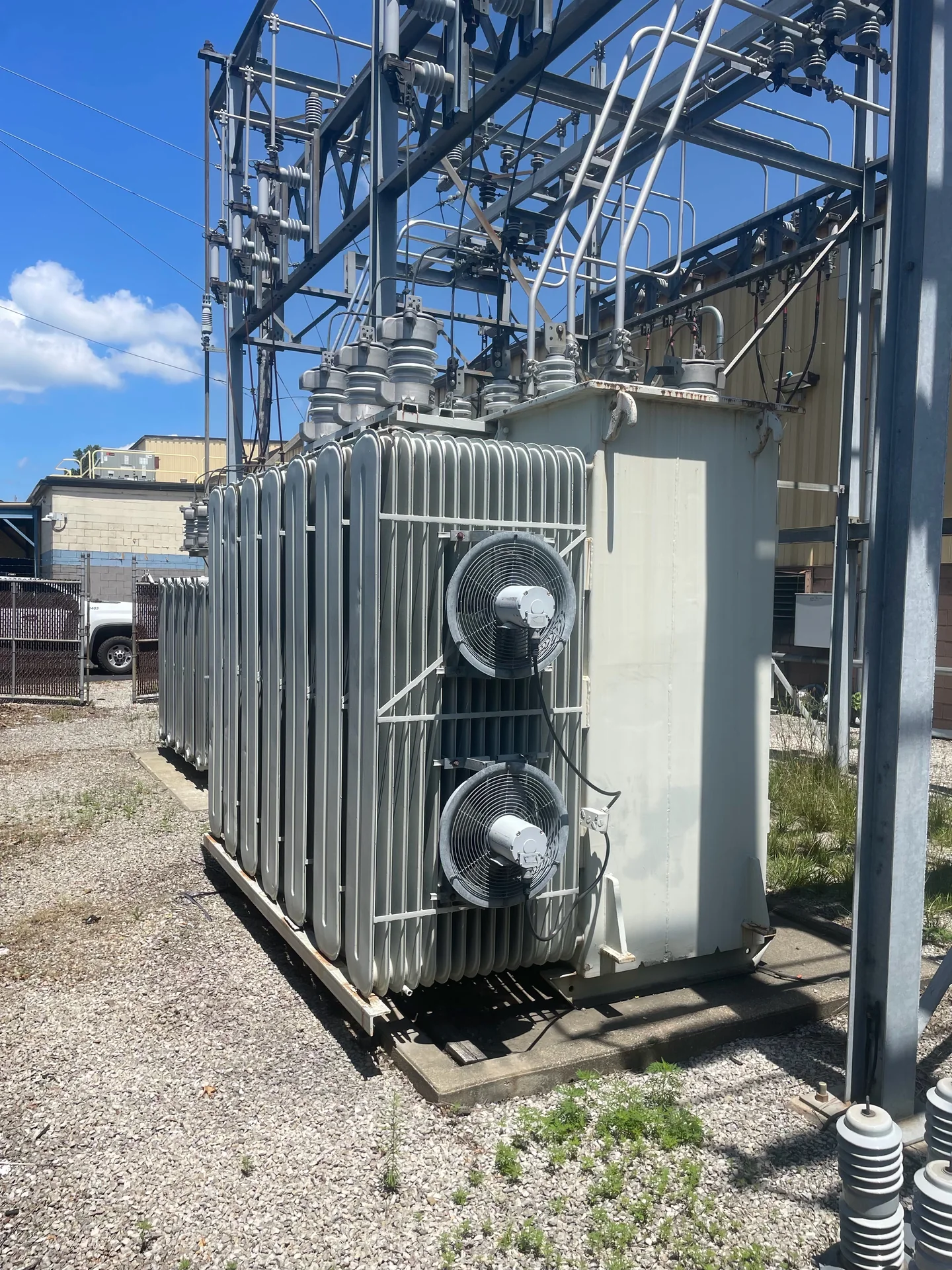
Sell Electrical Transformers in San Jose — Seller’s Planning Guide
If you’re preparing to sell a new, used, or surplus electrical transformer in the San Jose metro, planning reduces delays and helps prospective buyers assess the unit quickly. This guide explains what to document, how to identify site-access constraints common to dense urban and industrial properties, how to prepare for rigging and loading conversations, how to weigh sale routes, and how to coordinate with a nationwide buyer. Availability and purchase fit depend on the actual unit and project; not every transformer will receive an offer.
Evaluation starts with facts
Share the manufacturer, rating, voltage, phase, condition, quantity, and location before discussing value or pickup.
Document the unit: nameplate data and condition
Start by assembling clear records and photos. Photograph the nameplate and any other identification plates, and transcribe manufacturer, serial number, kVA or MVA rating, primary and secondary voltages, phase, frequency (Hz), vector group (if present), and manufacture date. Buyers use these items to screen units against demand and to estimate reuse, parts value, or scrap processing. If the nameplate is missing, include any spec sheets, drawings, or asset tags that help identify ratings.
Also document condition and service history. Summarize visible exterior condition (corrosion, dents, damaged bushings), note signs of leakage or repairs, and attach recent test or service records when available—ratio tests, insulation resistance, DGA for oil-filled units, or maintenance logs. Where multiple units exist, list quantities and ownership details so buyers can assess project scale and title transfer requirements.
- Essential nameplate items: manufacturer, serial number, kVA/MVA, voltages, phase, frequency.
- Condition notes: bushings, tap changers, visible damage, and evidence of oil leaks.
- Records to gather: test reports, maintenance logs, asset tags, and ownership documentation.
Map site location and access constraints
San Jose properties range from tight commercial sites to heavy industrial yards. Identify the exact placement—padmount, pole-mounted, in a vault, fenced yard, or inside a building—and map approach routes from the nearest public street. Note vertical and horizontal clearances, overhead utilities, bridge or underpass restrictions, and any narrow alleys. Urban pickups often require staging, traffic control, or specific time windows; early mapping helps buyers and carriers produce realistic plans and quotes.
Record site-specific controls such as gate schedules, security requirements, or whether the unit sits within an energized substation. If municipal permits, lane closures, or traffic-control plans are likely, flag those needs when you request quotes. Buyers and rigging contractors will expect this information to identify crane placement, truck access, and any special equipment or permits required for removal.
- Identify approach routes, nearest public street, and trailer turning space.
- Measure vertical and horizontal clearances for cranes and transport trailers.
- List site controls: gates, security checks, permitted work hours, and probable permits.
Prepare for rigging and loading conversations
Buyers and their riggers will ask for lifting details. Provide lifting point locations, skid or pad dimensions, and estimated weight. If you have manufacturer specs or manuals, include those. Indicate whether the unit contains insulating fluid and whether it will remain filled for transport—fluid handling requires qualified contractors and compliance with environmental regulations. Never attempt energized disconnects; arrange qualified electrical personnel for de-energization and isolation.
Support your answers with photos from multiple angles showing lifting lugs, support frames, adjacent obstructions, and ground conditions. Be ready to describe any on-site limitations—no yard crane, weak ground-bearing capacity, narrow access paths—which may require specialized rigging approaches. Clear, early communication about rigging constraints prevents misquoted plans and costly last-minute changes.
- Provide estimated weight and lifting-point photos from several angles.
- State whether the unit contains oil and whether draining is planned before move.
- Note ground-bearing capacity, crane footprint limits, and nearby obstructions.
Compare routes: direct sale, auction, broker, or recycler
Choose the sale route that matches the unit’s condition, documentation, quantity, and timeline. Direct offers from equipment buyers can be efficient when a unit is well-documented and fits a buyer’s inventory needs. Auctions can broaden exposure for units that suit multiple markets, but outcomes are less predictable. Brokers may help place unusual or vintage units. Recycling or scrap is often the pragmatic option for damaged, contaminated, or uneconomical-to-refurbish transformers.
Be realistic: not every transformer will receive a reuse offer. Ask potential buyers whether they evaluate units for reuse, parts harvesting, or scrap value and what testing they require. If environmental concerns exist—PCBs, contaminated oil, or other hazards—engage qualified environmental contractors early. Their findings will influence whether reuse, auction, or recycling is the most appropriate path.
- Direct sale: efficient for well-documented, serviceable units with clear demand.
- Auction: wider market exposure but variable outcomes and fees.
- Recycler or scrap: appropriate for damaged or contaminated units; requires disposal compliance.
Coordinating with a nationwide buyer
When dealing with a buyer that operates nationally, prepare a single, organized dossier of photos, nameplate data, test reports, and site-access notes for remote evaluation. Ask what additional inspections they require and whether they will bring their own rigger or use a local contractor. Clarify who will arrange de-energization, pre-move testing, and any environmental handling so responsibilities are clear before site work begins.
Discuss freight, pickup windows, and staging needs early. National buyers often coordinate long-haul transport but need accurate pickup windows and confirmed staging space for loading. Agree on title-transfer documentation and payment terms in writing. Keep in mind that remote assessments can change after an on-site inspection; availability and purchase fit depend on the actual unit and project specifics.
- Provide one packet: photos, nameplate data, test reports, and access notes.
- Clarify who will contract riggers, electricians, and environmental handlers.
- Confirm pickup windows, staging area needs, and title-transfer steps.
Paperwork, timeline, and site readiness checklist
Collecting the right paperwork avoids delays: proof of ownership or asset tags, recent test and maintenance records, and any environmental reports or permits. Prepare a simple timeline showing de-energization date, earliest available pickup, and any immovable removal deadlines. If multiple units are involved, indicate preferred sequencing and whether units must be removed together or can be staged in batches.
Prepare the site: clear a staging area, mark crane positions, verify ground conditions, and provide on-site contacts authorized to approve access. Ensure qualified electrical contractors will isolate and verify de-energization before any rigging starts. If you’re unsure about permitting, environmental issues, or specialized rigging needs, consult qualified professionals early—their input will affect cost and schedule estimates from buyers and carriers.
- Essential documents: proof of ownership, nameplate photos, test reports, permits.
- Timeline: de-energization date, earliest pickup, and any fixed removal deadlines.
- Site prep: cleared staging area, crane footprint, and an authorized on-site contact.
Service-area context
Planning a sale in California
This city guide is part of the broader California service-area directory. Review statewide pickup and documentation considerations before arranging an equipment review.
Explore the California transformer guideCommon questions
Practical answers before you call
One clear next step