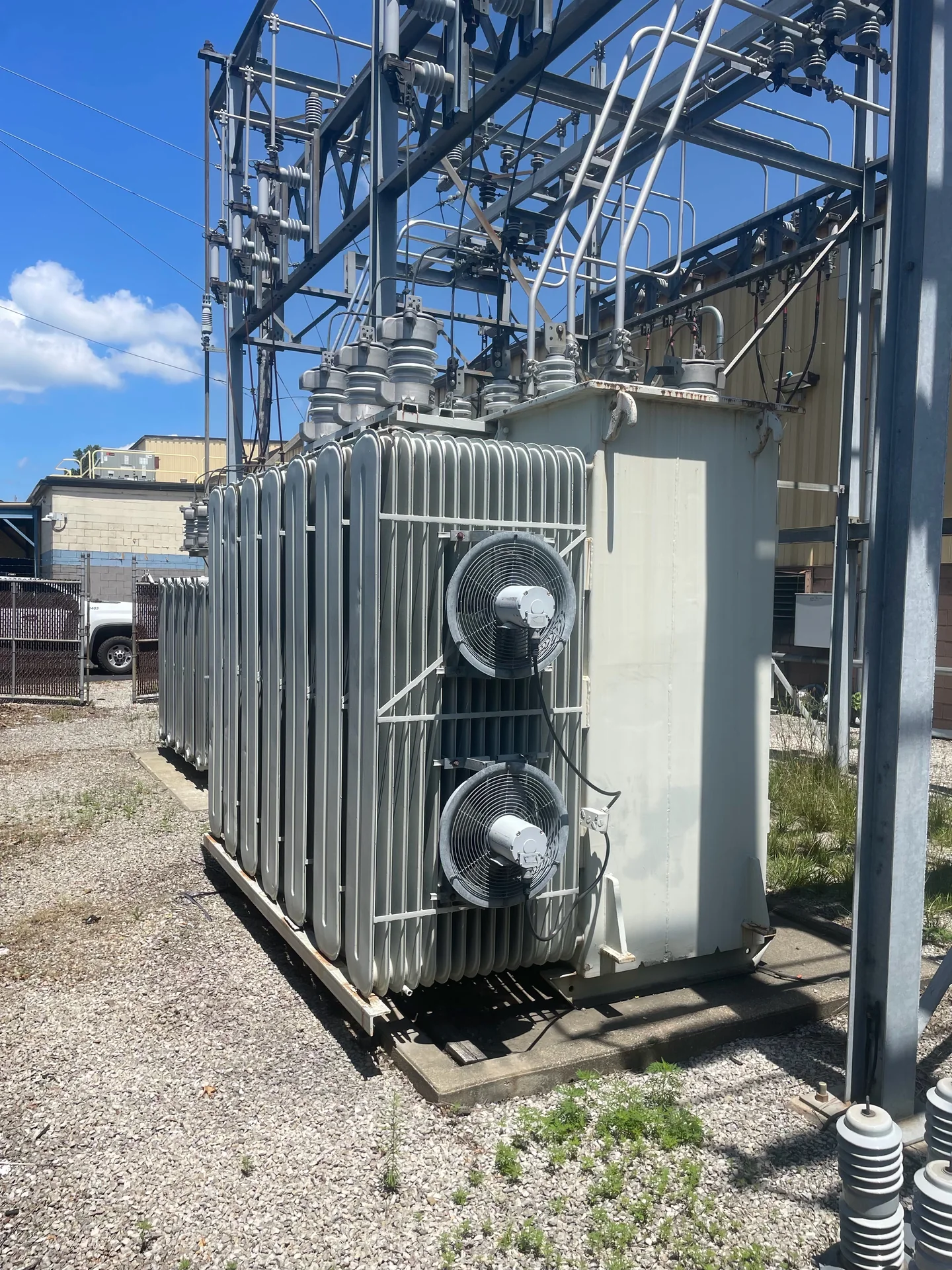
Sell Electrical Transformers in Savannah
If you’re preparing to sell a new, used, or surplus electrical transformer in the Savannah area, early planning reduces surprises and shortens transaction timelines. This guide explains how to document equipment, evaluate site and transport constraints, prepare for rigging and loading conversations, compare direct-sale versus auction or recycling pathways, and coordinate with a nationwide buyer. Availability and whether a buyer can purchase your unit depends on the actual transformer, its records, and project specifics.
Evaluation starts with facts
Share the manufacturer, rating, voltage, phase, condition, quantity, and location before discussing value or pickup.
Document the transformer thoroughly
Buyers evaluate offers primarily from the information you provide. Start with clear photos of the nameplate and overall unit, plus a concise list of key technical details: manufacturer, model, serial number, kVA or MVA rating, primary and secondary voltages, phase (single‑ or three‑phase), frequency, and design type (pad‑mount, liquid‑filled, dry‑type, etc.). Note age, visible condition, and any recent repairs or modifications.
Include test and service records if available. Insulation tests, ratio and turns tests, oil sample reports, and maintenance logs materially affect buyer interest and value. Record the quantity if you have multiple identical units, proof of ownership, and any liens or encumbrances. Clear, accurate documentation helps buyers assess fit and speeds pricing conversations.
- Essential nameplate data: manufacturer, serial number, kVA/MVA, voltages, phase, frequency
- Condition notes: rust, leaks, dents, oil level and lab results if applicable
- Records that matter: maintenance logs, recent test reports, manufacture date, repair history
- Title/ownership documents and quantity of units available
Assess site access and local constraints
Site access determines which carriers and riggers can handle the job. Document the transformer’s exact location on the property, distance from nearest public road, gate widths, approach turns, overhead obstructions, and clearances. Note pavement type and load‑bearing limits, curb cuts, and whether shuttle or crane access is required. Coastal sites like Savannah’s port areas may have traffic or permit considerations; note any on‑site restrictions.
Photograph approach routes from the street to the unit, including overhead lines and tight turns. If the transformer is in a substation yard, fenced compound, or rooftop, identify site entry procedures and required escorts. Early clarity about access reduces change orders and helps buyers or their carriers price transport and rigging accurately.
- Document approach route photos and measurements
- Note gate sizes, overhead clearances, and turning radii
- List surface type and weight limits for equipment
- Identify any site security, permit, or escort requirements
Prepare for rigging and loading conversations
Most buyers will ask about lifting points, pad or pad‑mount attachments, and whether the unit contains liquid (transformer oil). Describe existing lifting eyes, base rails, and pad conditions. For units requiring de‑energization, disconnection, fluid handling, or confined‑space work, state that these activities must be carried out by qualified professionals compliant with applicable regulations. Do not attempt technical work unless you are authorized and licensed.
Provide weight and dimensions from nameplate or manufacturer data when possible. If exact weights are unknown, indicate if a certified rigger can confirm them before pickup. Discuss timing windows, preferred loading dates, and any staging space on site to allow carriers to position equipment without disrupting ongoing operations.
- List lifting points, base dimensions, and estimated weight
- State whether the unit contains oil or other fluids and share test records
- Indicate if de‑energization or disconnection is required and who will perform it
- Provide preferred pickup dates and staging availability
Compare selling options: direct buyer, auction, broker, or recycler
Decide whether you need a quick removal, maximum net return, or an environmentally compliant disposal. Direct sale to a nationwide buyer can be efficient when you have good documentation, test records, and straightforward access. Auctions or brokers can reach specialized buyers for rare or vintage units but add time, fees, and variable prices. Recycling or scrap may be appropriate for badly damaged or contaminated units with limited resale value.
Match the pathway to the unit’s condition, quantity, and timeline. Large fleets of uniform transformers attract different buyers than a single, high‑spec unit. Be realistic: not every transformer receives a purchase offer. If resale is uncertain, prepare fallback options—brokerage listing, auction consignment, or certified disposal through licensed recyclers.
- Direct sale: faster if records and access are clear
- Auction/broker: wider market for unusual or collectible units
- Recycler/scrap: option for damaged or contaminated equipment
- Choose based on condition, quantity, timeline, and documentation
Coordinate logistics and paperwork with a nationwide buyer
When working with an out‑of‑area buyer, expect questions about freight, insurance, pickup scheduling, and acceptance criteria. Buyers often arrange or recommend carriers but will need final confirmation of weight, dimensions, and site access. Clarify who will arrange and pay for mobilization, crane or forklift services, fluid handling, and hazardous waste disposal if required. Obtain written terms that define responsibilities and timeline.
Confirm documentation requirements such as bills of sale, manifests for transported fluids, or certificates of destruction if units are scrapped. Verify whether buyers require third‑party inspection or a vendor survey. Clear communication about timelines and responsibilities reduces delays and helps both sides budget for rigging and freight costs.
- Agree who coordinates and pays for carriers, riggers, and permits
- Provide required ownership and transfer paperwork before pickup
- Confirm insurance coverage and liability limits for transit
- Set a mutually acceptable schedule and contingency plan
Final preparations and decision checklist
Before accepting an offer, verify the buyer’s inspection criteria and any conditional deductions. Reconcile price expectations against the cost of rigging, permitting, fluid handling, freight, and any required site work. If multiple units are available, consider staged pickups to optimize carrier mobilization costs. Keep copies of all records you provided and any signed agreements for the transaction.
Engage qualified electricians, riggers, environmental consultants, or licensed recyclers for tasks beyond your team’s scope. Communicate clearly with building owners, facility managers, or site safety officers about pickup timing and required site access. Remember: buyer availability and purchase fit depend on the actual unit, its condition, records, and the current market demand.
- Reconcile offer with estimated rigging and freight costs
- Confirm qualified parties will handle de‑energization and fluid handling
- Keep signed bills of sale and inspection reports on file
- Plan staging, pickup windows, and contingency communication
Service-area context
Planning a sale in Georgia
This city guide is part of the broader Georgia service-area directory. Review statewide pickup and documentation considerations before arranging an equipment review.
Explore the Georgia transformer guideCommon questions
Practical answers before you call
One clear next step