Selling Electrical Transformers in Kentucky: Planning Guide
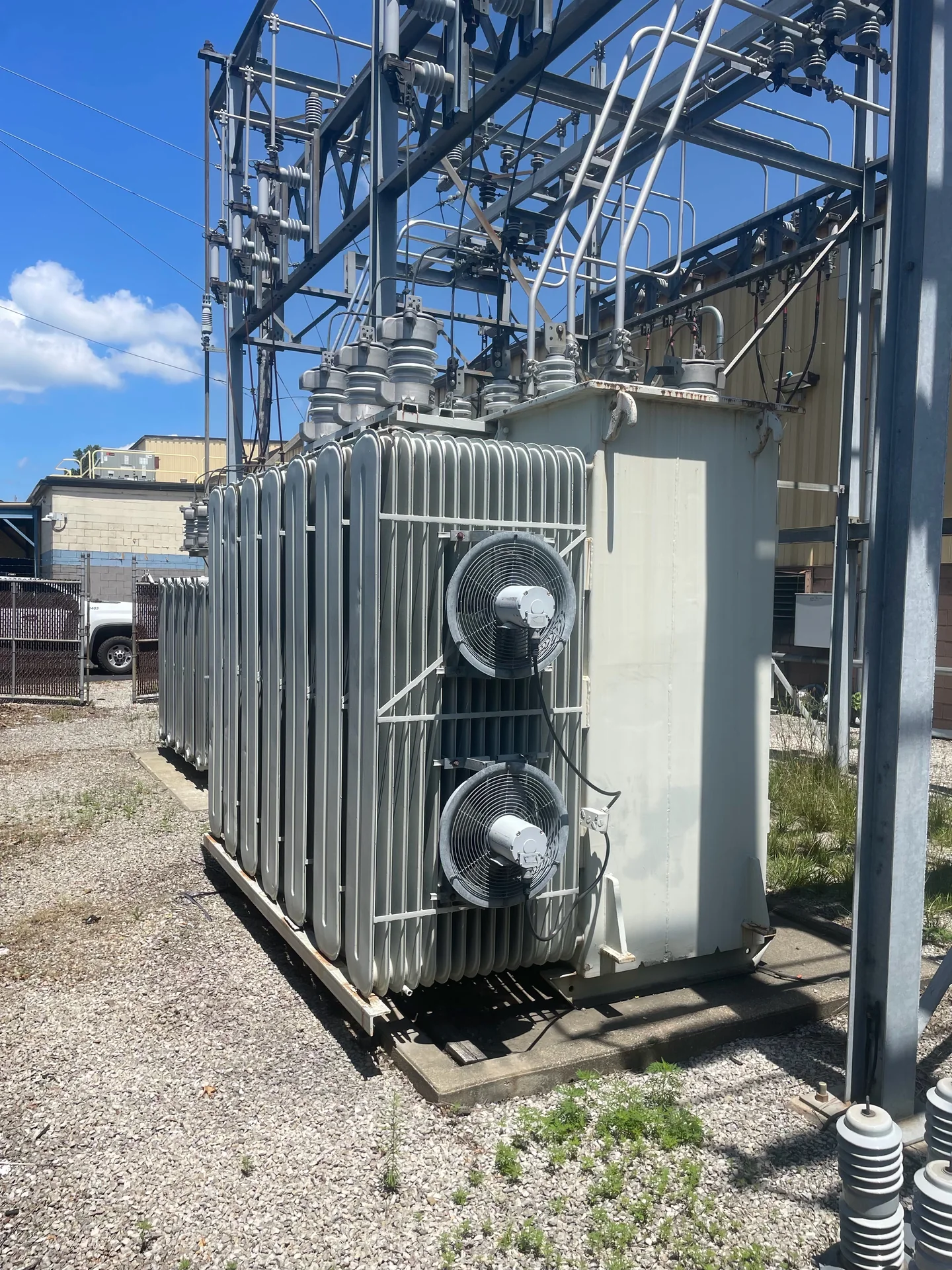
This page is a practical, statewide planning guide for owners who need to sell new, used, or surplus electrical transformers in Kentucky. It explains what buyers commonly need to evaluate a unit and what information and site preparations help speed a safe, realistic sale process. The guidance covers nameplate and ownership records, equipment qualification, access and rigging considerations, long-distance freight, realistic timing, and options if a sale offer is not feasible.
Evaluation starts with facts
Share the manufacturer, rating, voltage, phase, condition, quantity, and location before discussing value or pickup.
Gather documentation and nameplate data first
Before you contact a buyer, assemble documentation and clear photos of the unit. The single most important set of data is the transformer nameplate: manufacturer, serial number, kVA or MVA rating, primary and secondary voltages, phase, frequency, vector/connection code, cooling/design type (ONAN/ONAF, etc.), and year of manufacture if present. Buyers also want quantity and whether units were installed or in storage.
Supplement nameplate photos with ownership documents and service records when available. Useful records include purchase invoices, maintenance and test reports (insulation resistance, turns ratio, oil tests), outage or decommissioning documentation, and any title or bill of sale. Clear exterior and interior photos—nameplate close-ups, bushing condition, core/tank areas, and serial numbers—reduce site visits and speed initial offers.
- Manufacturer and serial number
- kVA/MVA rating and voltages
- Phase, frequency, and vector/connection
- Cooling/design type and year
- Quantity and current location
- Service, test, and ownership records
How buyers qualify equipment
Buyers assess units on technical suitability and condition. Key technical factors are nameplate ratings, design type (pad-mounted, pole-mounted, substation, autotransformer), tap changer type, and insulation/oil condition. Age is relevant but secondary to test results and condition; a well-maintained older unit with current test reports often has more value than a newer unit lacking documentation.
Condition descriptors should be honest and specific. Note visible corrosion, leak history, bushing cracks, evidence of overheating, or manufacturer recalls. If you have recent dielectric or oil-contamination tests, supply those results. If tests are not available, expect buyers to request an on-site inspection or condition testing performed by a qualified electrical testing contractor.
- Technical fit: ratings, design, tap changer
- Test records: insulation, turns ratio, oil analysis
- Condition notes: corrosion, leaks, bushing state
- Quantity and matching serial ranges affect value
Describe site location and access clearly
Location and site access materially affect whether a buyer can pick up a unit and how much they will factor freight into an offer. Provide street-level access details, gate clearances, ground conditions, nearest public road, and any low bridges or height restrictions on the route. Note whether units are indoors, behind fences, or inside active substations that require site escorts and scheduled access.
Include photos showing approach routes, staging areas, and clearance around the transformer. If a public permit, railroad crossing, or traffic control will be needed for removal, flag that early. Buyers assume that disconnecting, de-energizing, and on-site safety work will be performed by qualified personnel under applicable regulations; do not attempt electrical work unless you have appropriately licensed staff.
- Road width and overhead clearance
- Site surface: paved, gravel, soft ground
- Proximity to public roads or rail spurs
- Security or access restrictions (escort, permit)
Rigging, disconnection and loading logistics
Loading a transformer requires planning with qualified riggers and electricians. Buyers will want to know whether the unit is already disconnected and drained of insulating fluids, where lift points are located, and if concrete pads or attachment hardware are present. Provide weights and overall dimensions when known; if not available, list a measured footprint and approximate height so carriers can estimate lifting gear.
Do not perform electrical disconnection, oil draining, or rigging without qualified professionals. If environmental or fluid-handling regulations apply for insulating oil, disclose known fluid types and volumes. Buyers assess whether the seller will arrange or supply on-site lifting equipment and labor, or whether they must plan to mobilize their own rigging team, which affects offer terms and scheduling.
- Unit weight and overall dimensions
- Lift points and tank lifting lugs
- Whether unit is de-energized and drained
- On-site rigging equipment or seller-provided labor
Long-distance freight and storage considerations
Many transformer sales require long-distance trucking, rail, or intermodal transport. Buyers consider freight cost, special permits for oversize loads, escort requirements, and cradle or shipping-frame needs when forming an offer. If the unit must cross state lines or requires hazmat placarding because of oil contents, note that up front. Also state whether short-term storage on site is available and any site storage constraints.
Plan for how and where equipment will be staged for pickup: a defined staging area with room for a tractor-trailer, or an off-site yard the buyer can use. If the seller prefers the buyer to arrange pickup, clarify who is responsible for carrier selection, insurance during transit, and any required loading confirmations or lift plans before work begins.
- Transport mode: truck, rail, intermodal
- Oversize/overweight permits and escorts
- Shipping frame, crating, or cushioning needs
- Site staging and short-term storage availability
Timing, offers, and alternatives
Expect a sequence of stages: inquiry with photos and data, preliminary offer or range, potential site inspection and testing, then a firm offer and logistics agreement. Timing varies with buyer schedules, inspection availability, and required safety work. Because demand fluctuates, a competitive offer for one unit does not guarantee the same result for another; sellers should build realistic timelines and contingency plans.
Not every transformer will receive an acceptable purchase offer. If a direct sale is not viable, other options include listing through an equipment broker, consigning units to an auction, selling for parts, or working with a qualified recycler or disposal contractor. Each alternative has trade-offs around price, timeline, and environmental compliance; select the path that aligns with your project priorities and regulatory obligations.
- Typical process: inquiry, inspection, offer, pickup
- Allow time for testing and site coordination
- Alternatives: broker, auction, parts sale, recycler
- Document transfer of ownership and liability clearly
Common questions
Practical answers before you call
Metropolitan service guides
Explore Kentucky city guides
Review the city guide closest to the equipment location for local planning details, site-access considerations, and a direct path back to this Kentucky service guide.
One clear next step